Show Rundown
The Eurovision Song Contest is a multinational television event that consistently draws more than 100 million viewers from around the world. Each participating country sends a representative artist with an original song to compete for first place. The contest is split into two semi-finals and a final. The top ten acts from each semi-final join the acts from the Big Five countries (Italy, France, Spain, Germany, United Kingdom) in the final.
Historical Context
The Eurovision Song Contest has been uniting Europe through song since 1956. Originally founded as a way to foster peace and cooperation between European countries in the wake of WWII, Eurovision has become one of the longest running and most watched television events in history. For more than 69 years, its cultural impact has launched artists into stardom and permeated international popular culture.
Eurovision in Pop Culture
Chances are, you know more about Eurovision than you think. You might recognize the following video of ABBA performing their song “Waterloo.” ABBA represented Sweden at the Eurovision Song Contest in 1974, and the rest is… in a history book on the shelf.
ABBA won Eurovision in 1974 with their song “Waterloo.” Their win is credited with jumpstarting their international stardom.
Céline Dion was relatively unknown outside of Canada until she won the Eurovision Song Contest in 1988 while representing Switzerland.
And most recently, Eurovision winners Måneskin have taken the world by storm following their win in 2021:
Aside from just the winners, other contestants and even interval acts during the show have also made an impact on international popular culture:
Riverdance performed for the first time as an interval act at the Eurovision Song Contest hosted by Ireland in 1994. It is hands-down the most successful interval act in Eurovision history.
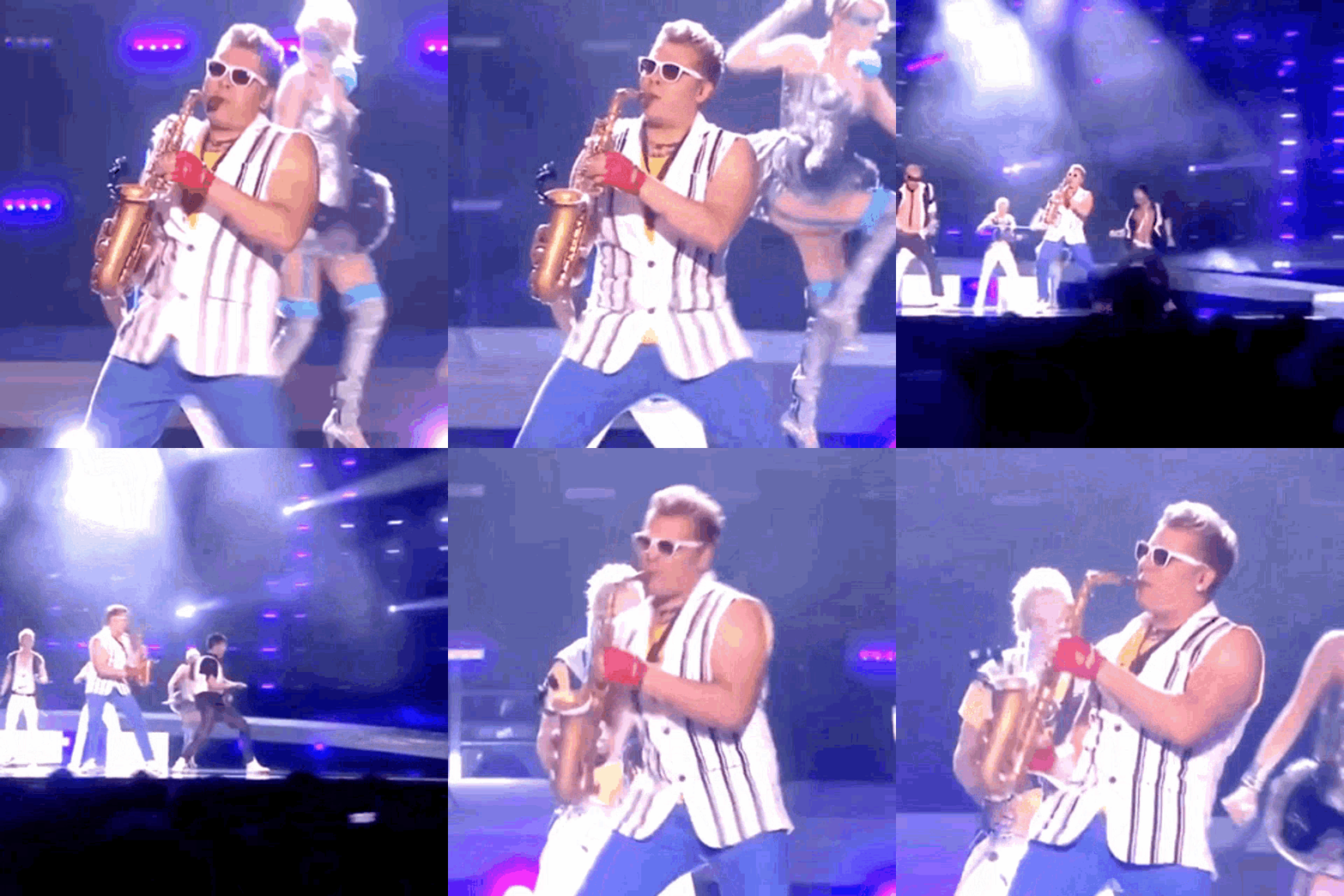
Moldova’s 2010 act, Sunstroke Project, featured a saxophone player that became the meme called “Epic Sax Guy” – and you’ve probably heard this riff. He returned in 2017 for Moldova’s entry “Hey Mama.”
There have also been a number of entries from well-known artists competing in the program after achieving high levels of fame and success. A short list includes Cascada, Olivia Newton-John, Darude, Bonnie Tyler, and Flo Rida among others.

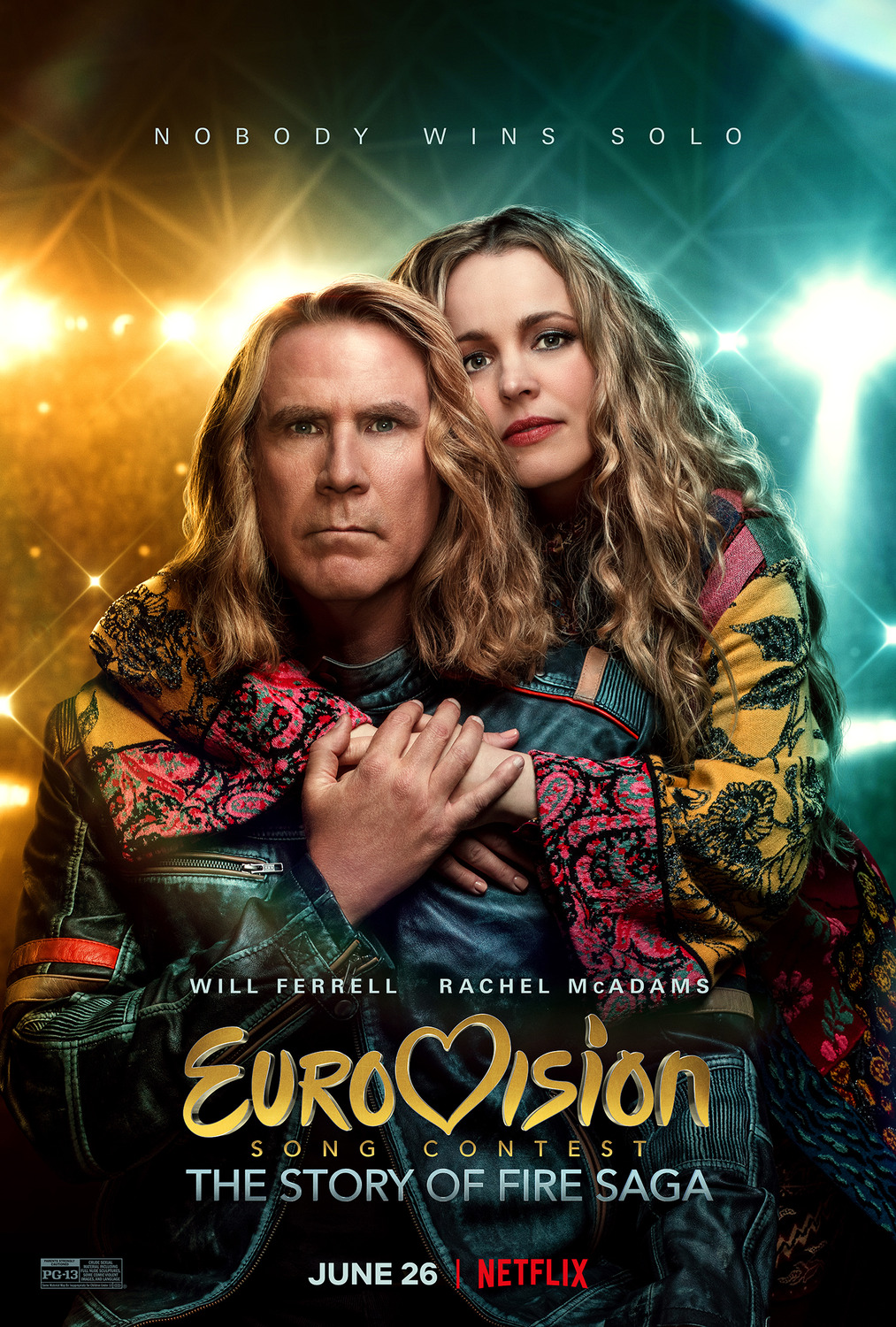
And of course there is the infamous movie, starring Will Ferrel and Rachel McAdams, Eurovision Song Contest: The Story of Fire Saga (2020).
Voting
For each show the rankings are determined by jury vote and televote. The Eurovision voting system is wild and has its own Wikipedia page. Long story short, each participating country votes for their favorites. Points are awarded by each country’s general population (the televote) and by a national jury of local music professionals (the jury vote). No country can vote for itself. Each country’s top-ranked song receives twelve points (or Douze Points! if you wanna be French about it).
As a result of this complex voting system, more than an hour of each Eurovision Song Contest is just the announcing and tallying of votes (its still a good time though, trust us).
Ultimately, after all performances and votes are tallied, one act will be crowned winner of Eurovision. The winning country is then tasked with hosting the next year’s Eurovision contest, and it starts all over again.
 UC Eurovision 2025